
Life Readiness Questionnaire (LRQ)
Preparing Children Not Just for School, but for Life. Listening to children and young people to understand their readiness to be able to thrive in their lives.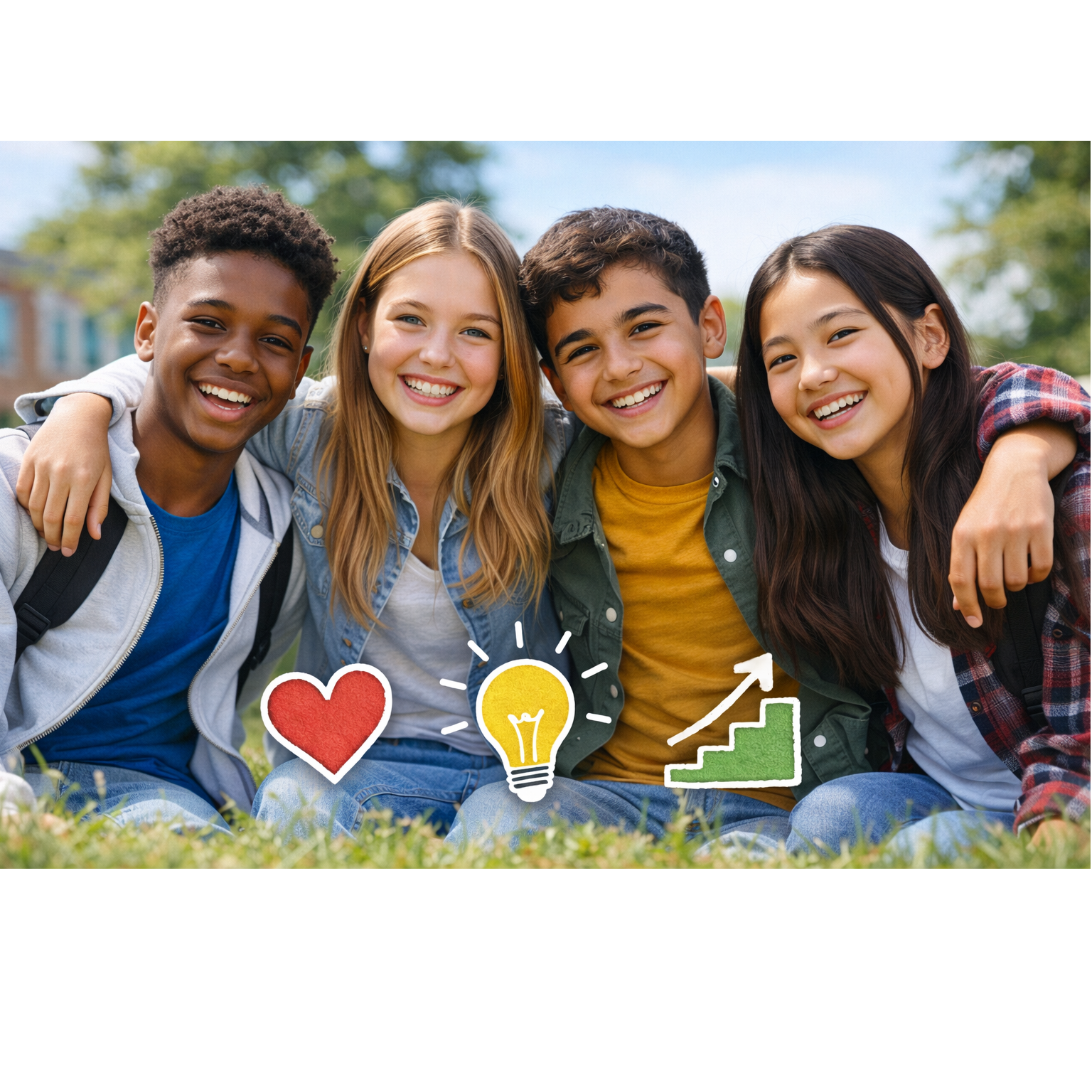
For many years, schools have rightly focused on academic readiness, ensuring children develop the knowledge and skills needed to succeed in exams. More recently, emotional resilience has become part of the conversation, recognising the importance of helping children cope with stress, challenge, trauma, and disruption.
But there is a third, equally important dimension that often goes unmeasured, emotional literacy – the everyday skills children need to understand themselves, connect with others, manage their feelings, and build a positive future.
Our Life Readiness Questionnaire brings these strands together.
It expands on our Emotional Resilience Questionnaire (ERQ), which focuses on how well children cope with and recover from adversity, by integrating emotional literacy so that schools can assess not just whether children survive difficulties, but whether they are equipped to thrive in daily life.
Life readiness is not about diagnosing mental health. It is about understanding whether children have the foundations in place to engage, learn, build relationships, make good choices, and develop into confident, capable young people.
The Four Dimensions of Life Readiness
The questionnaire is structured around four key dimensions, each made up of clear, child-friendly factors.
Together they create a holistic picture of how ready a child is to navigate the emotional and social demands of life.
1. Self-Understanding – Knowing Yourself
This dimension focuses on how well children understand and value themselves.
Self-Regard & Confidence
Children reflect on whether they feel their feelings matter, feel proud of who they are, and believe they deserve respect.
Self-Awareness
This explores whether children can recognise their feelings, understand what triggers them, notice how emotions affect their bodies, and know how to calm themselves.
Emotional Expression
Here we look at whether children can put feelings into words, speak up when something is not okay, and talk about both positive and negative emotions calmly and appropriately.
Without self-understanding, children struggle to recognise problems, express needs, or seek help. This dimension forms the foundation for all emotional growth.
2. Understanding Others – Connecting with People
Life is lived in relationships. This dimension captures how well children relate to the people around them.
Empathy
Do children notice when others are sad, care about how their actions affect people, and try to understand their friends’ feelings?
Positive & Respectful Relationships
This focuses on kindness, fairness, cooperation, listening skills, and the ability to stay friends even when there is disagreement.
Sense of Belonging
Children reflect on whether they feel accepted, included, cared for, and able to be themselves in class and with friends.
Strong relationships are protective. They reduce isolation, support well-being, and make it easier for children to ask for help when they need it.
3. Emotional Management & Coping – Handling Life’s Challenges
This is where emotional literacy meets emotional resilience.
Stability
Children consider whether they can calm themselves, manage strong emotions, stay steady when things go wrong, and recognise physical needs such as rest or food.
Coping Skills & Adaptability
This factor looks at problem-solving, flexibility when plans change, perseverance, helpful thinking, and practical coping strategies. It also includes memory and recall, recognising that being able to make sense of what happened and when is part of processing experience.
Seeking & Using Support
Children reflect on whether they feel able to ask for help, trust adults, accept support, and believe that people around them genuinely care.
This dimension directly links to resilience, but also captures the everyday coping skills children use long before a crisis point is reached.
4. Purpose, Positivity & Forward Direction – Looking Ahead
Finally, life readiness is about where a child is heading, not just how they cope today.
Positivity & Hopefulness
Children consider whether they feel hopeful about the future, notice good things even when struggling, stay positive, and believe their actions can make a difference.
Belief in Oneself
This explores self-efficacy, confidence in learning, willingness to try, persistence after failure, and belief in their ability to get through difficult times.
Purpose & Direction
Children reflect on whether they feel what they do matters, set goals, take responsibility, make good choices, and have ideas about their future.
When children lack purpose or hope, motivation falls and behaviour often deteriorates. This dimension shines a light on the internal drivers behind engagement and aspiration.
Why Life Readiness Matters
Academic success does not exist in isolation.
Children who struggle to understand their feelings, trust adults, manage stress, or believe in their future are far less able to engage with learning, maintain positive behaviour, or benefit from support.
The Life Readiness Questionnaire allows schools and services to:
-
Identify hidden vulnerabilities before they become visible problems
-
Understand patterns across classes, years, or cohorts
-
Target support where it will have the greatest impact
-
Track progress over time, not just outcomes at one point
-
Strengthen both emotional literacy and emotional resilience together
In short, it helps schools move from reacting to problems, to building the foundations that prevent them.
Life readiness is not about fixing children.
It is about equipping them.
Contact us today to learn how the Life Readiness Questionnaires can help your school or trust better understand how your students are prepared for life.
- Email: This email address is being protected from spambots. You need JavaScript enabled to view it.
- Free resources and demonstrations available on request
- Live chat with a real person—no bots!
Let every pupil’s voice be heard—and acted upon.