
The Transition to Secondary School Challenge
New Pupils Are Most in Need of Support at the Point Where Their New School Knows Them the Least
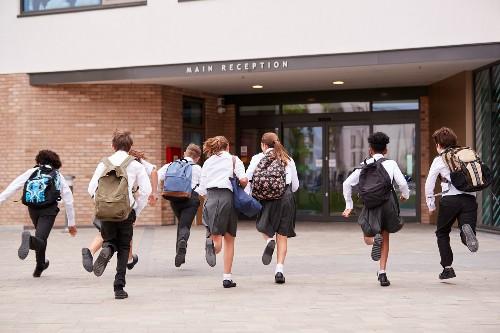
Every September, secondary schools welcome a new cohort of pupils who are adapting to one of the biggest changes in their educational journey.
Schools invest enormous time and effort into supporting pupils through pastoral systems, SEND provision, safeguarding, student services, form tutors and strong staff relationships. However, while these support systems continue to develop, schools are still getting to know their new pupils and understanding their individual strengths, capabilities and challenges.
At the same time, pupils are adapting to new routines, new expectations, new friendships, larger environments and greater independence.
The Transition Life Readiness Questionnaire (LRQ) has been designed to help schools gain an early understanding of new pupils' strengths, capabilities and challenges at class level, allowing support to be targeted effectively while relationships and understanding are still developing.
The Early Support Gap
While schools are still getting to know their new pupils, some children settle quickly and confidently, while others may quietly struggle with confidence, belonging, relationships, emotional regulation or adapting to change.
These challenges are not always immediately visible. Difficulties may only become apparent once they begin to affect wellbeing, attendance, engagement, behaviour or readiness to learn.
The challenge for schools is not simply responding when problems emerge, but identifying where support may be needed early enough to prevent difficulties becoming established.
Understanding More Than How Pupils Feel
Many pupil surveys focus on experiences, opinions or satisfaction.
The Transition LRQ takes a different approach.
It focuses on pupils' capacity to understand themselves, connect with others, handle life’s challenges and approach the future positively.
By understanding these areas, schools can identify strengths to build upon and areas where additional support may be beneficial.
What Does the Transition LRQ Measure?
The questionnaire is organised around four key areas of Life Readiness.
Understanding Yourself
The ability to recognise, understand and express thoughts, feelings and personal strengths.
- Self-Awareness – Understanding emotions, thoughts and behaviours.
- Self-Regard and Confidence – Confidence in personal abilities and a positive sense of self.
- Emotional Expression – Communicating feelings appropriately and effectively.
Connecting With People
The ability to form positive relationships and feel part of a community.
- Empathy – Understanding and respecting others.
- Positive and Respectful Relationships – Developing healthy relationships.
- Sense of Belonging – Feeling accepted, valued and included.
Handling Life’s Challenges
The ability to cope with change, setbacks and everyday challenges.
- Stability – Maintaining emotional and physical wellbeing.
- Coping Skills and Adaptability – Managing change positively.
- Seeking and Using Support – Knowing when and how to ask for help.
Purpose, Positivity and Forward Direction
The ability to approach the future with confidence and optimism.
- Positivity and Hopefulness – Maintaining a positive outlook.
- Belief in Self – Feeling capable of overcoming difficulties.
- Purpose and Direction – Understanding goals and aspirations.
Understanding the Transition Experience
In addition to the Life Readiness factors, the Transition LRQ includes three dedicated transition factors designed specifically for pupils moving from primary to secondary education.
- Continuity and Familiarity – Understanding how connected pupils feel to things that provide reassurance and stability.
- Changing from Primary to Secondary – Exploring how pupils are adapting to transition.
- Knowing What to Expect – Understanding how prepared pupils feel.
These factors provide valuable insight into the transition process itself and help schools identify opportunities to strengthen future transition arrangements.
Reporting at Class Level
One of the unique features of the Transition LRQ is its focus on tutor groups and classes.
Results are reported at tutor group level, helping schools understand the strengths and challenges of each group of pupils.
This enables:
- Early identification of priorities
- Tutor-led discussions and activities
- Targeted pastoral support
- Monitoring of progress over time
The aim is not to replace existing support systems, but to strengthen them by providing earlier insight into pupils' needs.
Understanding Different Groups of Pupils
Schools receive reports that allow results to be explored across different groups while maintaining pupil anonymity.
Results can be analysed by:
- Gender
- Ethnicity
- Disability
- Neurodiversity
- Pupil Premium
- SEND
- Other locally collected demographic groups
This helps schools understand whether different groups of pupils are experiencing transition differently and whether additional support may be required.
Measuring Progress Across the Year
The Transition LRQ is designed as a two-stage process.
Autumn Term
The first questionnaire provides a baseline understanding of pupils' strengths, capabilities and challenges as they enter secondary school.
Summer Term
The second questionnaire measures changes over time and helps schools evaluate the impact of support, interventions and transition activities.
This allows schools to move beyond assumptions and understand whether the support they provide is making a measurable difference.
Supporting Better Outcomes for Children
By helping schools gain an earlier understanding of new pupils, the Transition LRQ can contribute to:
- Better wellbeing
- Improved attendance
- Stronger engagement
- Improved behaviour
- Greater sense of belonging
- Improved readiness to learn
- Better academic outcomes
Most importantly, it helps schools understand pupils’ needs at a time when support can have the greatest impact.
Find Out More
If you would like to learn more about the Transition LRQ, arrange a demonstration or discuss how it could support your transition programme, please get in touch.
call 01189 781078