
Building Resilience Early: Preparing Primary Students for Life’s Big Steps
The Power of Early Intervention
Children begin primary school with almost total support, but by the time they reach Year 6 (P7 in Scotland), they have developed significantly more independence. They are also preparing for the major changes they will face at secondary school, including increased independence, greater responsibilities, and a range of social challenges, opportunities, and new experiences.
Schools across Great Britain place great emphasis on preparing children for secondary school academically, using tests and assessments to measure their readiness for the more demanding teaching and learning required by the secondary school curriculum. However, children face many challenges beyond academics. Schools that prioritise understanding and strengthening their pupils' emotional resilience will better equip them to navigate the transition to secondary school, helping them manage the social, emotional, and personal challenges that lie ahead.
Readying Children for Year 6 SATs and Beyond
- Explain the emotional challenges children face with high-pressure exams like SATs (or equivalents in Scotland and Wales).
- Discuss how resilience helps them cope with stress, build confidence, and approach challenges with a positive mindset.
Preparing for the Transition to Secondary School
- Acknowledge the significant emotional and social challenges of moving to secondary school (new environment, peers, expectations).
- Argue that academic readiness is only part of the picture; emotional resilience prepares them for navigating friendships, independence, and new routines.
Bridging the Gap: Emotional Readiness vs. Academic Readiness
- Explore how SATs measure academic readiness but neglect the emotional and social preparedness for secondary school.
- Advocate for schools to consider resilience-building as essential to holistic development.
How Emotional Resilience Can Make a Difference
- Share how resilience equips children to adapt, cope, and thrive in new environments and under pressure.
- Provide examples of practical interventions or strategies schools could implement (e.g., peer mentoring, emotional well-being workshops).
Call to Action
- Encourage schools to take steps toward building emotional resilience in primary children.
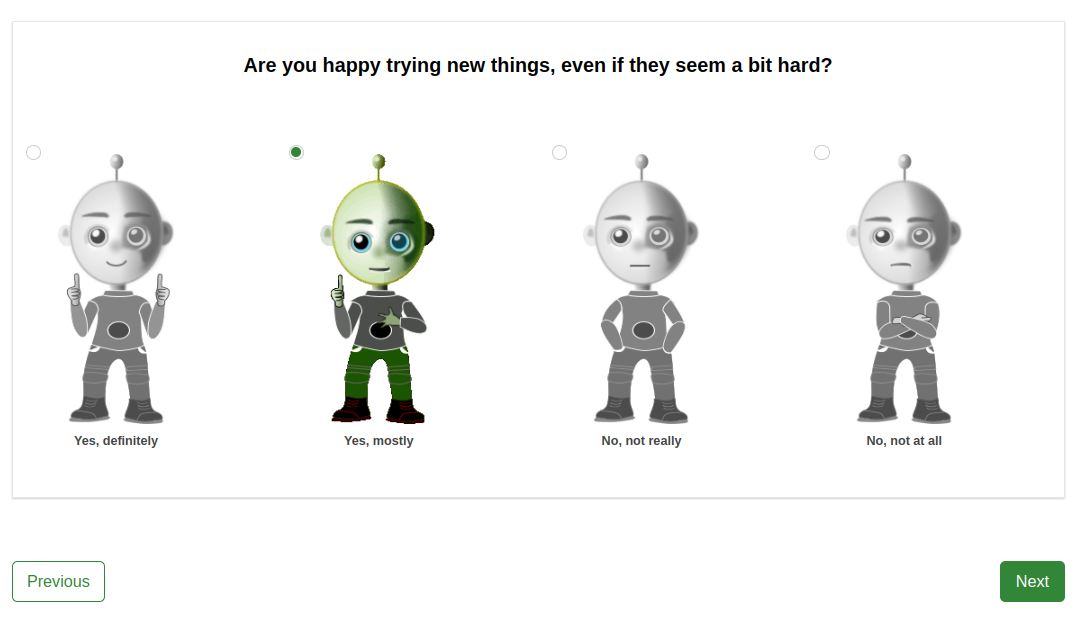
- Invite educators to explore tools like the Emotional Resilience Questionnaire
{source}<? include('resurv/php/comments/footer.php'); ?>{/source}